
Hand Washing vsMachine Washing Football Jerseys – 10 Best Tips
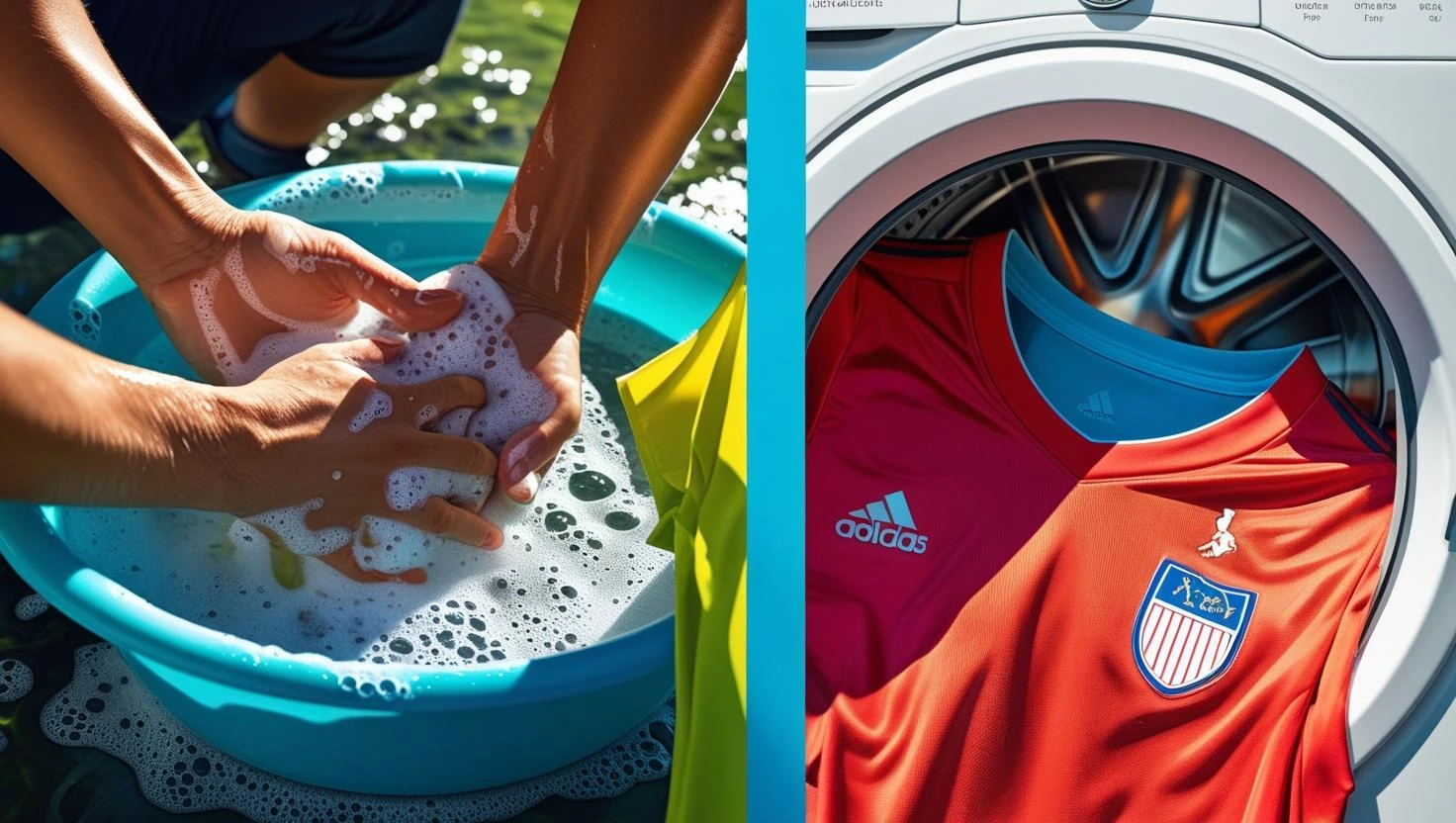
Football jerseys are more than just clothes. They carry team pride, memories of great matches, and sometimes even a player’s legacy. But nothing hurts more than seeing a favorite jersey fade, shrink, or lose its prints. The biggest question fans ask is simple: Hand Washing vs. Machine Washing football Jerseys – which is better? This guide gives you the 10 key differences between hand washing and machine washing. From fabric safety to time, effort, and results, you’ll see why one method may save your jersey while the other could damage it. Read carefully, and you’ll know exactly how to keep your football jerseys looking fresh, bright, and match-ready for years.
Table of Contents
ToggleHand Washing vs Machine Washing Football Jerseys:
10. Fabric Safety
Hand Washing: Gentle care keeps jersey fibers strong for years. Polyester and cotton blends remain soft without tears or pulls. Using cold water avoids shrinkage. Mild scrubbing protects stitching. Hand washing gives jerseys the strength to last through many matches.
Machine Washing: Machines pull and stretch delicate fibers. Each spin cycle causes hidden damage that grows worse over time. Jerseys may develop fuzz or tiny tears. Overwashing in hot water weakens elasticity. The fabric becomes weak and rough much faster than with hand care.
9. Color Brightness
Hand Washing: Cold water and mild detergent protect dyes, keeping colors vivid. Gentle washing avoids friction that dulls brightness. Jerseys stay bold even after many wears. Prints and sponsor logos remain sharp without peeling or cracking. If you’re wondering how to keep football jersey colors bright, hand washing is the best and safest way to preserve that fresh “new jersey” look for years.
Machine Washing: Hot water and powerful cycles cause colors to fade quickly. Dark shades lose richness, while light shades turn dull. Rough washing with other clothes makes designs look older. Even new jerseys can lose their glow within months. Colors become lifeless far too soon.
8. Print and Logo Protection
Hand Washing: Names, numbers, and sponsor logos stay safe with careful cleaning. Gentle washing avoids peeling or cracking. Prints remain smooth and shiny, just like on matchday. No harsh rubbing keeps details intact. Your jersey looks professional and well-kept even after many washes.
Machine Washing: Repeated spinning rubs prints against zippers and fabrics. Heat from hot water weakens adhesive glue. Logos start peeling at edges and cracking across numbers. Once damaged, they cannot be restored. Jerseys lose their identity and appear older far earlier than they should.
7. Stain Removal
Hand Washing: You can focus directly on stains without hurting fabric. Dab gently with soap and cold water for safe cleaning. Mud, sweat, or food spots fade without fading colors. Soft scrubbing removes dirt without stretching stitches. Jerseys look spotless, clean, and match-ready again.
Machine Washing: The machine cannot target stubborn stains. Dirt may remain even after full cycles. Strong cycles often rub stains deeper into fibers. Fabric may weaken, causing thin patches. Logos or numbers can wear out in the process. Stains linger while the jersey suffers more damage.
6. Control Over Washing
Hand Washing: You control every detail, from detergent to water level. No harsh spin cycle risks your jersey’s health. Gentle scrubbing keeps fibers intact. You decide drying style too. This hands-on method ensures maximum care for delicate and expensive jerseys.
Machine Washing: You rely on fixed machine settings. Even gentle cycles are sometimes too rough for fine fabric. Heat, detergent strength, and spin speed are preset. Mistakes happen easily. Once the jersey is damaged, it cannot be undone. Jerseys get less personal care and safety.
5. Risk of Damage
Hand Washing: Minimal risk if done correctly. No zippers, hooks, or rough fabrics rub against your jersey. Slow cleaning avoids stretching. Delicate hand handling protects every fiber. Ideal for rare, signed, or collectible jerseys that need extra love and care.
Machine Washing: Jerseys can rub against jeans, jackets, or zippers. High-speed spin tears delicate stitching. Rough loads can stretch sleeves or necklines. Once damaged, jerseys lose value and beauty. Machine washing often sacrifices jersey safety for speed and convenience.
4. Time and Effort
Hand Washing: It takes more energy and patience. You soak, scrub, and rinse carefully by hand. While time-consuming, it gives peace of mind. The jersey stays safe and fresh. Fans who love their kits will see the effort as worthwhile for long-term quality.
Machine Washing: Machines save time but sacrifice safety. A quick wash cycle may risk damage every time. Jerseys might get mixed with heavy clothes. While effortless, you trade convenience for reduced jersey lifespan. It’s faster but not ideal for fans who value quality.
3. Drying Results
Hand Washing: Jerseys dry smoothly on hangers or flat surfaces. Their natural shape remains safe. Fibers do not stretch. Air drying under shade keeps colors bright. The fabric feels soft and flexible, ready for the next wear without shrinking or losing form.
Machine Washing: Spin cycles stretch delicate material. Tumble drying shrinks fabric and makes it rough. Numbers or logos peel from heat. Jerseys lose shape around the collar and sleeves. A once-perfect kit can become loose, stiff, or awkward after just a few machine cycles.
2. Longevity of Jerseys
Hand Washing: This method extends jersey life for years. Colors remain bold, prints intact, and fabric smooth. Jerseys look fresh even after heavy use. Collectors and fans enjoy wearing them proudly. A carefully washed jersey can last as long as your memories with it.
Machine Washing: Each wash slowly reduces lifespan. Logos peel, colors fade, and threads loosen. Jerseys start looking old in months, not years. Rough cycles wear out even premium fabrics. Fans find themselves replacing kits too soon, spending more over time.
1. Best Method for Collectors and Fans
Hand Washing: Always the best choice for valuable jerseys. Preserves quality, colors, and sentimental value. Perfect for signed or limited-edition kits. Protects both design and memory. For true fans and collectors, hand washing is the way to honor their prized jerseys, whether it’s a Lionel Messi shirt, a Cristiano Ronaldo kit, or any rare piece.
Machine Washing: Only practical for training kits or jerseys you don’t mind losing. Everyday sportswear can handle machine cycles. But prized collector’s items or expensive kits deserve better care. Machine washing offers speed, not preservation. Fans risk long-term regret for short-term ease.
Conclusion
When it comes to Hand Washing vs. Machine Washing football Jerseys, the answer is clear. Hand washing takes more effort, but it protects your jersey’s fabric, color, and prints. Machine washing may be faster, but it carries a higher risk of fading, shrinking, or peeling logos. If you want your jersey to last longer and look like new, hand washing is the safer choice. But if you use a washing machine, always choose cold water, gentle detergent, and wash jerseys separately. Remember, a football jersey is more than fabric—it’s a memory worth protecting.
FAQs
Is it safe to wash football jerseys in a washing machine?
Yes, but only on gentle cycles with cold water. Still, hand washing is safer for long-term care.
How often should I wash my football jersey?
Only when needed. Over-washing fades colors and weakens fabric. Air it out if lightly worn.
Can I iron my football jersey?
Direct ironing is not recommended. Use a steamer or place a cloth between the iron and jersey.
What’s the best detergent for jerseys?
A mild, sportswear-friendly detergent. Avoid bleach, fabric softeners, or strong chemicals that harm colors.
Should I tumble dry football jerseys?
No. Air dry in shade to keep shape, softness, and colors intact.
Related Posts